

If you’re looking for a comforting and nourishing miso soup recipe, this classic Japanese staple is the perfect choice. This miso soup recipe easy approach makes it simple to recreate authentic flavors at home, whether you’re new to cooking or a seasoned home chef exploring a new soup recipe. This homemade soup recipe is not only quick and satisfying, but it also pairs beautifully with dishes like miso salmon recipe for a complete meal. While it’s different from a chicken noodle soup recipe homemade style, it delivers the same cozy, warming feeling that makes soups a go-to comfort food. Whether you usually enjoy a homemade chicken noodle soup recipe or want to try something lighter and packed with umami, this miso soup recipe will quickly become a favorite. It’s a simple yet deeply flavorful soup recipe that fits perfectly into any meal routine.

Table of Contents
- Key Takeaways
- Easy Homemade Miso Soup Recipe
- Ingredients for Homemade Miso Soup
- How to Make Homemade Miso Soup
- Tips for Making Homemade Miso Soup
- Making Homemade Miso Soup Ahead of Time
- Storing Leftover Homemade Miso Soup
- Try these main course recipes next!
- Homemade Miso Soup
- Nutrition
1) Key Takeaways
- This miso soup recipe is light, comforting, and packed with savory umami flavor.
- It is a miso soup recipe easy enough for busy days, yet elegant enough to serve with a full Japanese-inspired meal.
- This soup recipe uses simple ingredients and comes together quickly, making it a reliable homemade soup recipe for lunch or dinner.
- Homemade Miso Soup pairs beautifully with rice, noodles, tofu dishes, or even a miso salmon recipe for a balanced meal.
2) Easy Homemade Miso Soup Recipe
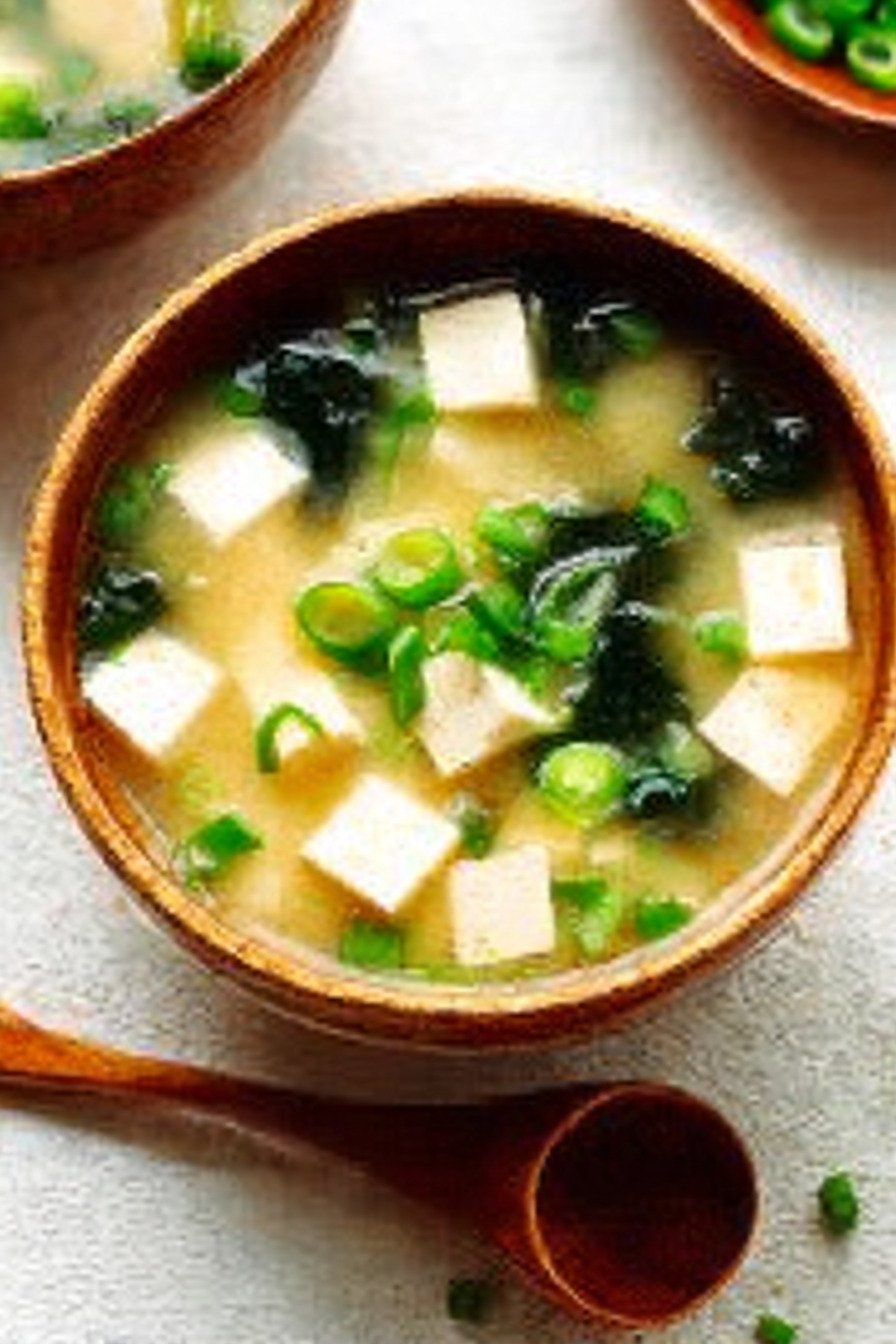
There is something so calming about a warm bowl of Homemade Miso Soup. This classic Japanese favorite is delicate, savory, and deeply satisfying, proving that a simple miso soup recipe can deliver incredible flavor without a long ingredient list or complicated steps. If you have been searching for a miso soup recipe easy enough for everyday cooking, this one deserves a permanent place in your meal rotation.
Because this recipe fits naturally into Soup Recipes, it is perfect when you want something cozy, nourishing, and quick. It works as a light starter, a simple lunch, or a side for a fuller dinner spread. While many people turn to a chicken noodle soup recipe homemade style when they want comfort food, this homemade soup recipe offers a lighter, more delicate option that still feels warm and restorative.
Another reason this soup recipe stands out is how well it complements other dishes. Serve it with rice bowls, grilled vegetables, or a flavorful miso salmon recipe for an easy meal that feels restaurant-worthy at home. Even if you usually reach for a homemade chicken noodle soup recipe, this bowl brings a fresh take on comfort food with authentic flavor and a beautifully clean finish.
3) Ingredients for Homemade Miso Soup
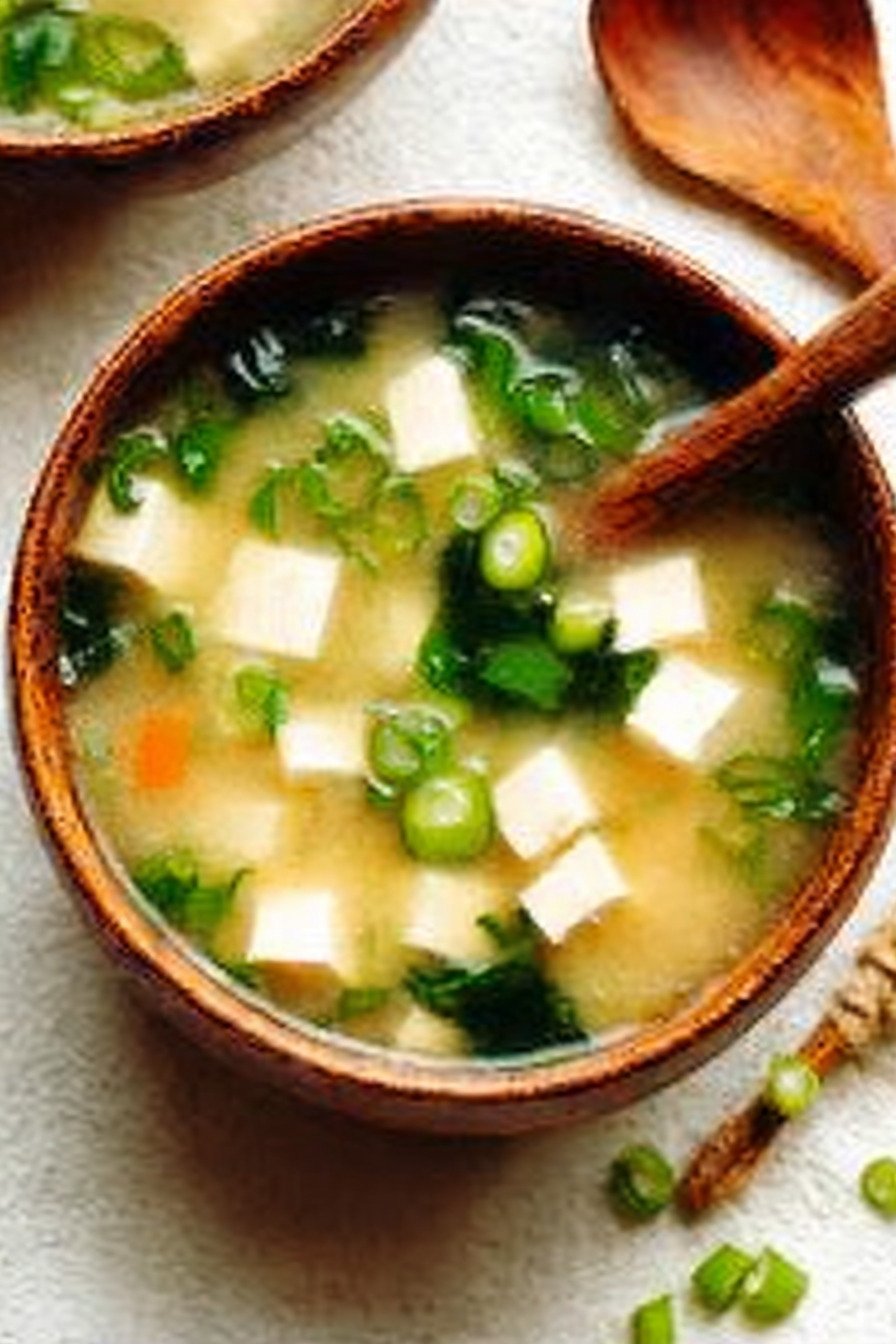
Dashi Dashi is the heart of this dish and gives the broth its signature savory depth. It creates the clean, umami-rich base that makes a traditional miso soup recipe taste authentic and balanced.
Miso Paste Miso paste brings the soup its unmistakable salty, earthy, and slightly sweet flavor. It is the ingredient that transforms the broth into a true homemade soup recipe with comforting richness.
Tofu Soft tofu adds gentle texture and a bit of satisfying protein to each bowl. It keeps the soup light while making it feel more complete and hearty.
Wakame Seaweed Wakame adds a subtle ocean flavor and tender bite that makes this soup recipe taste beautifully traditional. It also expands in the broth, so a little goes a long way.
Green Onions Fresh green onions add a mild sharpness and bright pop of color. They finish the soup with a fresh note that balances the deeper savory flavors.
4) How to Make Homemade Miso Soup
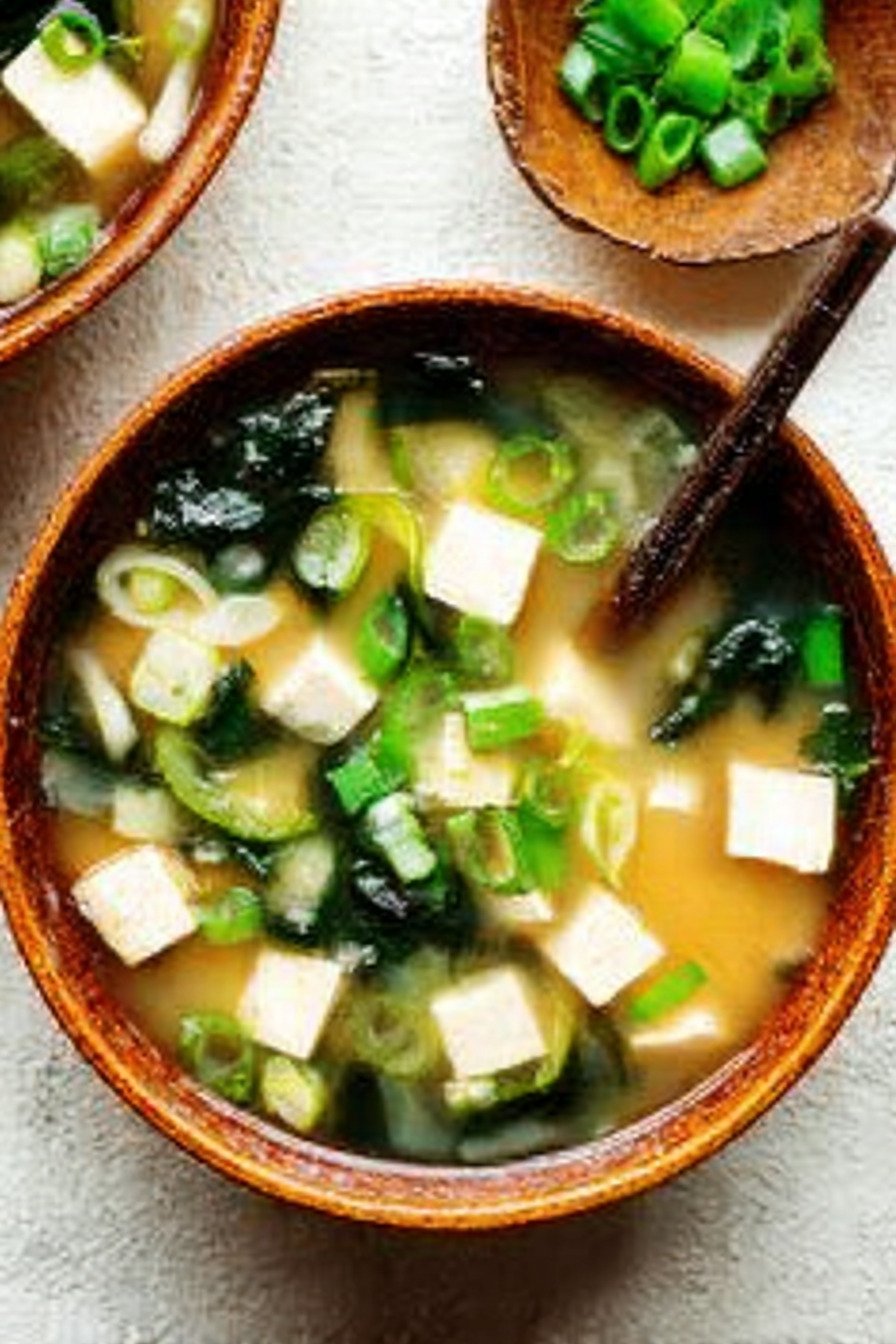
Step 1 Pour the dashi into a medium saucepan and warm it over medium heat. Let it heat gently rather than boil aggressively so the broth keeps its clean, delicate flavor.
Step 2 Add the wakame seaweed and let it soften in the warm broth for a minute or two. If you are using tofu, gently add the cubes so they can warm through without breaking apart.
Step 3 Place the miso paste in a small bowl and whisk it with a few spoonfuls of the hot broth until smooth. This helps the miso dissolve evenly and prevents lumps in your miso soup recipe.
Step 4 Lower the heat and stir the dissolved miso mixture back into the pot. Do not let the soup boil after this point, as boiling can dull the flavor of the miso.
Step 5 Taste the soup and adjust if needed, then ladle it into bowls. Top with sliced green onions and serve immediately while hot and fragrant.
5) Tips for Making Homemade Miso Soup
The biggest secret to a great miso soup recipe is to avoid boiling the soup after adding the miso paste. Gentle heat preserves the flavor and aroma, helping the broth stay smooth, balanced, and deeply savory. This one step makes a noticeable difference in the final bowl.
If you want to customize this miso soup recipe easy version, you can add mushrooms, spinach, napa cabbage, or thinly sliced scallions for more texture and flavor. Silken tofu gives the soup a softer feel, while firm tofu holds its shape better if you prefer more bite. Small adjustments can make this homemade soup recipe fit your preferences without losing its classic character.
For the best taste, use quality miso paste and a flavorful dashi. White miso creates a milder, slightly sweeter soup recipe, while red miso offers a stronger, deeper taste. If you are serving it with a miso salmon recipe or a richer main dish, a lighter miso can create a nice balance on the table.
6) MakingHomemade Miso Soup Ahead of Time
If you want to prep ahead, the best method is to make the dashi base in advance and store it separately from the miso paste. When you are ready to serve, simply reheat the broth gently and whisk in the miso at the end. This keeps the flavor fresh and prevents the soup from tasting flat.
You can also prepare the tofu, slice the green onions, and portion the wakame ahead of time to make assembly even quicker. This is especially helpful when you want a fast lunch, a weeknight side dish, or a lighter option in between heartier meals like a chicken noodle soup recipe homemade dinner.
For meal prep, store the components in separate containers and combine them just before serving. That way, this homemade soup recipe stays vibrant and fresh instead of absorbing too much moisture or becoming overly salty in the fridge.
7) Storing Leftover Homemade Miso Soup
Leftover Homemade Miso Soup can be refrigerated in an airtight container for up to 2 days. Reheat it gently on the stove over low heat or in short intervals in the microwave, being careful not to boil it. This helps preserve the delicate flavor that makes this soup recipe so appealing.
Freezing is possible, but the texture of tofu and seaweed may change after thawing. For best results, freeze only the broth base and add fresh tofu, wakame, and green onions when reheating. This method gives you a better final bowl and keeps the miso soup recipe easy to refresh later.
If you have extra leftovers, repurpose them by serving the soup with noodles, rice, or steamed vegetables for a fuller meal. It can also work as a warm side for grilled fish or a miso salmon recipe, offering the same cozy satisfaction people often look for in a homemade chicken noodle soup recipe.
8) Try these main course recipes next!
9) Homemade Miso Soup

Authentic Homemade Miso Soup Recipe (Easy & Comforting)
Ingredients
Soup Base
- 4 cups dashi stock
- 3 tablespoons miso paste
- 1 tablespoon soy sauce
Add-ins
- 1/2 cup tofu, cubed
- 2 tablespoons dried wakame seaweed
- 2 green onions, sliced
Instructions
Prepare the Base
- Heat the dashi stock in a pot over medium heat until warm but not boiling.
- In a small bowl, dissolve the miso paste with a ladle of warm broth until smooth.
Assemble the Soup
- Add tofu and wakame to the pot and let simmer for 2-3 minutes.
- Stir in the dissolved miso paste gently without boiling.
- Add soy sauce and adjust taste as needed.
- Garnish with sliced green onions and serve warm.
10) Nutrition
Serving Size 1 portion Calories 90 Sugar 2 g Sodium 800 mg Fat 3 g Saturated Fat 0.5 g Carbohydrates 10 g Fiber 1 g Protein 6 g Cholesterol 0 mg



Leave a Comment